.png)
Dzukou Valley: The Enchanted Valley of Blooming Lilies
Dzukou Valley: The Enchanted Valley of Blooming Lilies
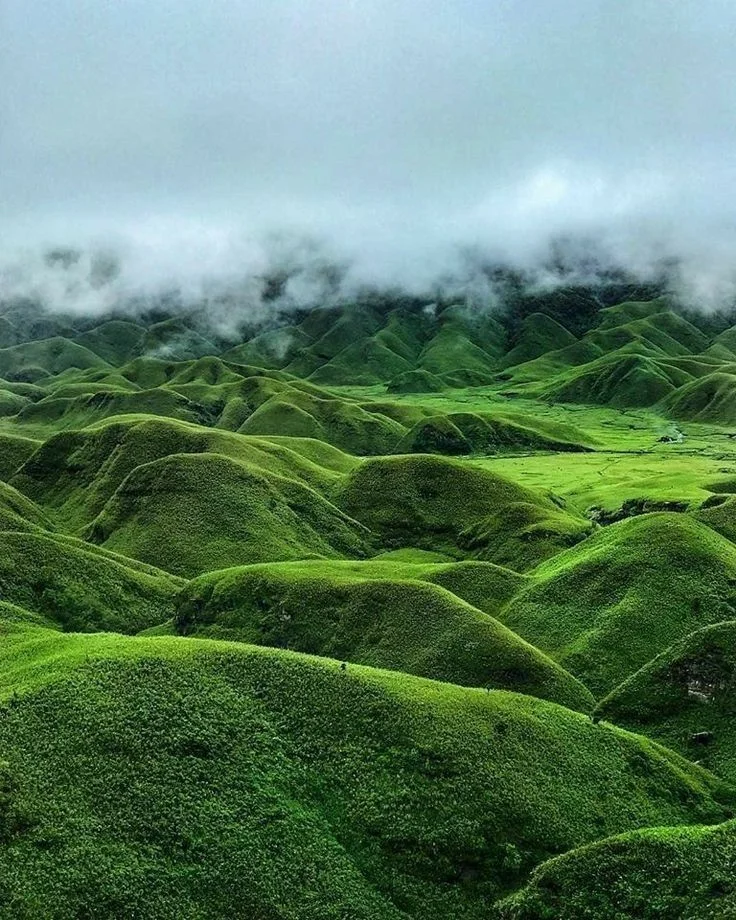
Nestled on the border of Nagaland and Manipur, Dzukou Valley is one of Northeast India’s most breathtaking natural wonders. Known as the “Valley of Flowers of the Northeast,” this pristine landscape transforms into a stunning carpet of lilies during the blooming season, offering a magical trekking experience at an altitude of 2,438 meters.
The Enchanted Valley
Dzukou Valley derives its name from the Angami Naga word “Dzüko,” meaning “cold water,” referring to the valley’s naturally chilled streams. This expansive U-shaped valley is surrounded by rolling hills, creating a natural amphitheater of unparalleled beauty.
The valley floor remains covered with lush green grass throughout the year, while seasonal wildflowers paint the landscape in vibrant colors. During the monsoon months, the scenery transforms into a mesmerizing floral paradise.
The Famous Dzukou Lily
The highlight of the valley is the rare Dzukou Lily (Lilium mackliniae), an endemic species found only in this region. These delicate white, trumpet-shaped flowers bloom in abundance between June and September, filling the valley with their beauty and subtle fragrance.
Named after Jean Macklin, who first documented them in the 1940s, these lilies have become the symbol of Dzukou Valley and a major attraction for nature lovers and botanists.
Standing in Dzukou Valley during the lily season is like being inside a living painting. The white flowers stretch as far as the eye can see, creating a dreamscape that seems almost too beautiful to be real.
Trekking Routes
Via Viswema Village (Nagaland)
- Distance: 15 km
- Duration: 4–5 hours
- Difficulty: Moderate to challenging
- Highlights: Traditional Naga villages and terraced fields
Via Mao Gate (Manipur)
- Distance: 8 km
- Duration: 2–3 hours
- Difficulty: Moderate
- Highlights: Shorter route with scenic viewpoints
Best Time to Visit
June to September (Lily Season)
- Valley in full bloom
- Lush greenery
- Challenging yet rewarding monsoon trek
October to November
- Clear skies and great visibility
- Ideal for photography
December to February
- Frost-covered landscapes
- Best for experienced trekkers
March to May
- Moderate weather
- Rhododendrons blooming
- Fewer crowds
Trekking Preparation
Physical Fitness
A moderate to good fitness level is essential. Regular hiking practice, strong leg endurance, and cardiovascular fitness will help you handle the terrain and altitude.
Essential Gear
- Sturdy trekking shoes
- Layered clothing and waterproof jacket
- Tent and sleeping bag
- Navigation tools (map/GPS)
- First aid kit
Food and Water
- Carry at least 3 liters of water
- Use purification tablets if needed
- Pack high-energy snacks
Camping in Dzukou Valley
Camping in the valley offers a truly unforgettable experience with stunning sunsets, star-filled skies, and peaceful surroundings. Visitors must camp only in designated areas and follow eco-friendly practices.
Flora and Fauna
Dzukou Valley hosts a diverse ecosystem including unique grasses, bamboo varieties, rhododendrons, and medicinal plants. Wildlife includes birds, small mammals, and vibrant butterflies, especially during warmer months.
Cultural Significance
The valley holds deep cultural importance for the Angami and Mao Naga tribes. It is considered sacred and has long been associated with traditional practices, folklore, and natural healing.
Conservation Efforts
With increasing tourism, the valley faces challenges such as littering and ecological damage. Community-led initiatives and responsible trekking practices are essential to preserve this fragile ecosystem.
Photography Tips
- Capture during golden hour for best lighting
- Use wide-angle lenses for landscapes
- Macro lenses for flower details
- Carry extra batteries
Responsible Trekking
- Carry back all waste
- Stay on marked trails
- Avoid picking flowers
- Respect local customs
- Use eco-friendly products
Conclusion
Dzukou Valley is more than just a trekking destination—it is a living masterpiece of nature. From its rolling green hills to its rare blooming lilies, every moment spent here is unforgettable. By traveling responsibly and respecting its ecological and cultural significance, visitors can help preserve its beauty for generations to come.