.png)
Loktak Lake: The Floating World of Phumdis and the Dancing Deer
Loktak Lake: The Floating World of Phumdis and the Dancing Deer
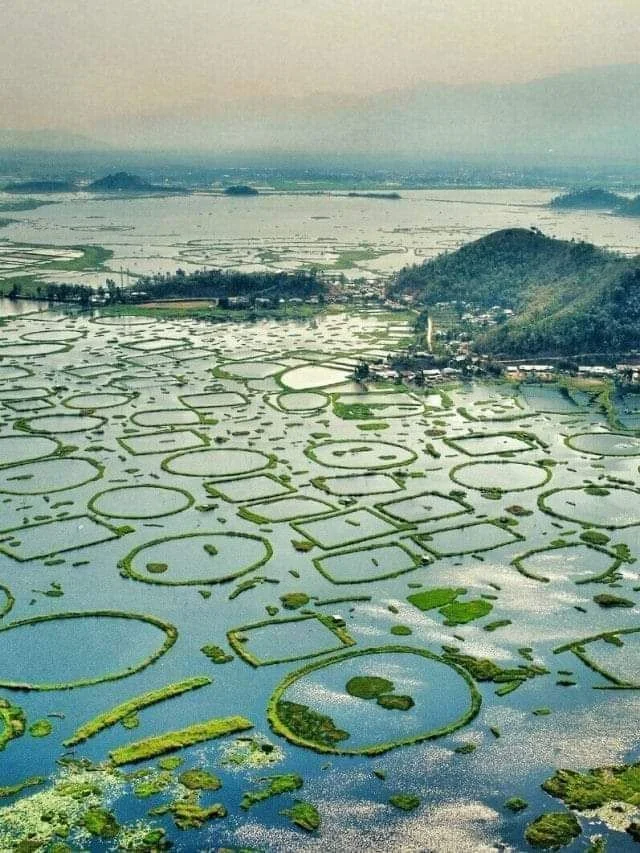
Located in the Bishnupur district of Manipur, Loktak Lake is the largest freshwater lake in Northeast India and one of the most unique wetland ecosystems in the world. Famous for its floating islands known as phumdis, the lake supports a remarkable floating civilization and rich biodiversity, making it a must-visit destination for nature lovers and cultural explorers.
The Lake of Floating Islands
Loktak Lake is globally renowned for its circular floating formations called phumdis, which are made up of organic matter, vegetation, and soil accumulated over centuries. These floating masses vary in thickness and can support plant life, wildlife, and even human settlements.
The lake plays a vital role in the lives of the people of Manipur by providing water for irrigation, hydropower, fishing, and flood control. It is not just a lake, but a thriving ecosystem that sustains both nature and human communities.
The Floating Huts – Phumshang
A unique feature of Loktak Lake is the floating huts known as phumshang, where local fishermen and their families live year-round. Built on phumdis, these huts move with the water levels, creating a fascinating floating village.
The locals practice traditional fishing and aquaculture using circular fish farms called athapum, demonstrating a sustainable lifestyle closely connected to nature.
Life on the Water
- Floating homes that rise and fall with water levels
- Traditional fishing techniques
- Boat-based transportation system
- Community-driven sustainable living
Living on Loktak Lake is like living in harmony with nature's rhythm. Our homes float, our farms float, and our lives are intimately connected to the water that surrounds us.
Keibul Lamjao National Park
Situated on the southern part of Loktak Lake, Keibul Lamjao National Park is the world’s only floating national park. Spread across 40 square kilometers, it is the last natural habitat of the endangered Sangai deer, also known as the “dancing deer” of Manipur.
The Sangai Deer
The Sangai deer is famous for its graceful movement across the floating phumdis. Its unique hooves allow it to walk delicately on the spongy surface, giving it a dancing appearance.
Conservation Success
- Population recovery from near extinction
- Active conservation and monitoring programs
- Community participation in protection efforts
- Habitat restoration initiatives
Best Time to Visit
October to March
- Pleasant weather and clear skies
- Best time for boating and wildlife spotting
- Ideal for photography
April to June
- Warmer temperatures
- Fewer crowds
- Perfect for sunrise and sunset views
July to September
- Lake at its fullest
- Lush greenery and dramatic skies
- Some areas may be inaccessible due to heavy rains
Things to Do at Loktak Lake
Boat Tours
- Explore floating islands and villages
- Experience traditional canoe rides
- Enjoy sunrise and sunset on the lake
Wildlife Watching
- Spot Sangai deer in Keibul Lamjao National Park
- Observe migratory birds and local species
- Discover aquatic and terrestrial wildlife
Cultural Experiences
- Stay with local families
- Learn traditional fishing practices
- Taste authentic Manipuri cuisine
Sendra Island Experience
Sendra Island is a popular tourist spot offering panoramic views of the lake. Visitors can stay in lakeside accommodations, enjoy local food, and take boat rides to explore nearby phumdis and villages.
Flora and Fauna
Loktak Lake is home to diverse aquatic plants such as water hyacinth and lotus, along with a wide range of wildlife including birds, fish, reptiles, and mammals. Its rich biodiversity makes it an ecological hotspot.
Environmental Challenges
- Water pollution and siltation
- Encroachment and habitat loss
- Impact of infrastructure like dams
- Climate change affecting water levels
Conservation Efforts
Efforts by local authorities and communities aim to preserve the lake through sustainable management, habitat restoration, and awareness programs. Responsible tourism plays a key role in protecting this fragile ecosystem.
Responsible Tourism
- Respect local communities and traditions
- Avoid disturbing wildlife
- Minimize plastic use
- Support local guides and businesses
Conclusion
Loktak Lake is a living example of harmony between humans and nature. From its floating islands and unique way of life to the rare Sangai deer, it offers an experience unlike any other. Visiting this extraordinary destination is not just a journey through nature, but a glimpse into a sustainable and culturally rich way of living.