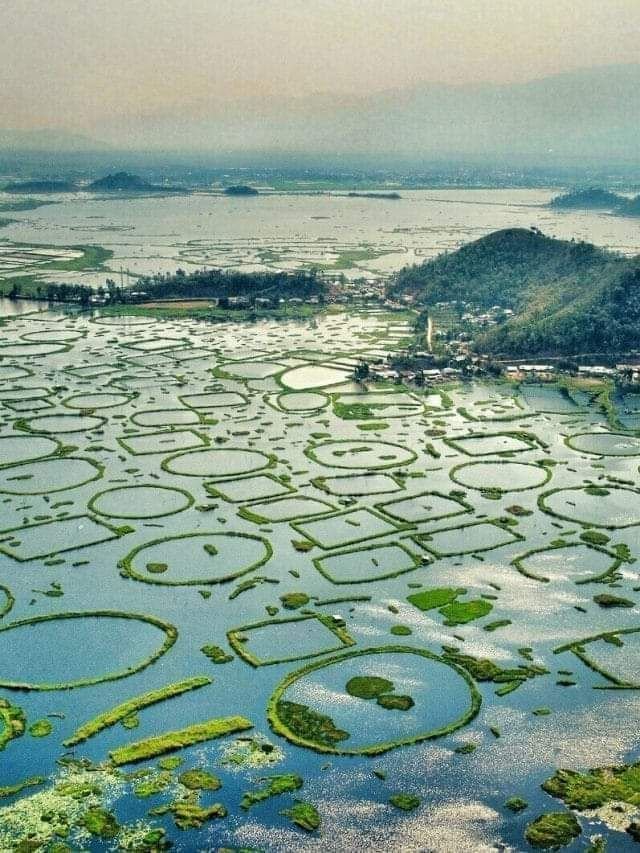
Fishermen navigating through the floating phumdis on Loktak Lake, Manipur
Discover the unique ecosystem of Loktak Lake with its floating islands called 'phumdis' and the endangered Sangai deer at Keibul Lamjao National Park. As the largest freshwater lake in Northeast India, Loktak Lake spans 287 square kilometers and supports thousands of people who have built a remarkable floating civilization on its waters, creating one of the most extraordinary wetland ecosystems in the world.
The Lake of Floating Islands
Loktak Lake, located in the Bishnupur district of Manipur, is renowned worldwide for its circular floating islands called "phumdis." These unique formations are created by organic matter, vegetation, and soil that have accumulated over centuries to form a heterogeneous mass of spongy biomass. The phumdis vary in thickness from a few centimeters to several meters and can support vegetation and even human habitation.
The lake serves as the lifeline for the people of Manipur, providing water for hydropower generation, irrigation, flood control, and fish farming. It's not just a body of water but a complete ecosystem that has sustained human communities for generations, creating a unique harmony between people and nature.
The Floating Huts - Phumshang
One of the most remarkable aspects of Loktak Lake is the floating huts called "phumshang," where hundreds of families live year-round. These traditional houses, built on phumdis, rise and fall with the water levels, creating a unique floating village that has adapted to the lake's natural rhythms over centuries.
The inhabitants, primarily fishermen, have developed ingenious methods of aquaculture using circular enclosures called "athapum" made from bamboo and fishing nets. These floating fish farms provide sustainable livelihoods while working in harmony with the lake's ecosystem.
Life on the Water
- Families living in floating huts that move with water levels
- Traditional fishing methods passed down through generations
- Unique boat-based transportation system
- Sustainable aquaculture practices
- Community-based resource management
"Living on Loktak Lake is like living in harmony with nature's rhythm. Our homes float, our farms float, and our lives are intimately connected to the water that surrounds us."
- Local fisherman, Loktak Lake
Keibul Lamjao National Park - World's Only Floating National Park
Located in the southwestern part of Loktak Lake, Keibul Lamjao National Park holds the unique distinction of being the world's only floating national park. Covering 40 square kilometers of floating phumdis, this park is the last natural habitat of the endangered Sangai deer (Rucervus eldii eldii), also known as the dancing deer and the state animal of Manipur.
The Sangai Deer - Manipur's Dancing Deer
The Sangai deer gets its name from the Meitei word meaning "indwelling in the forests." These graceful deer are called "dancing deer" because of their unique gait while walking on the floating phumdis. Their hooves have adapted to distribute their weight evenly, allowing them to walk on the spongy floating vegetation.
Conservation Success Story
- Population increased from near extinction (14 in 1975) to over 200 today
- Dedicated conservation efforts by forest department
- Community involvement in protection programs
- Habitat restoration and anti-poaching measures
- Research and monitoring programs
Best Time to Visit
Loktak Lake offers different experiences throughout the year:
October to March - Peak Season
- Pleasant weather perfect for boating and photography
- Clear skies with excellent visibility
- Best time for Sangai deer spotting
- Comfortable temperature for outdoor activities
- Migratory birds visit during winter months
April to June - Summer Season
- Warmer weather but still manageable
- Good for early morning and evening visits
- Fewer tourist crowds
- Ideal for sunrise and sunset photography
July to September - Monsoon Season
- Lake at its fullest capacity
- Lush green phumdis and surroundings
- Dramatic sky formations for photography
- Cultural festivals during this period
- Some areas may be inaccessible due to high water
Activities at Loktak Lake
The lake offers various activities for different types of travelers:
Boat Tours and Island Exploration
- Motorboat tours through floating islands
- Traditional canoe experiences
- Visit to floating villages and fish farms
- Sunset and sunrise boat rides
- Photography tours with local guides
Wildlife Watching
- Sangai deer spotting in Keibul Lamjao National Park
- Bird watching with over 400 species recorded
- Python and other reptile spotting
- Butterfly watching during flower season
Cultural Experiences
- Stay with floating village families
- Learn traditional fishing techniques
- Participate in local festivals
- Taste authentic Manipuri lake cuisine
- Watch traditional boat races
The Sendra Island Experience
Sendra Island, one of the largest phumdis on Loktak Lake, has been developed as a tourist destination offering:
Sendra Tourist Home
- Accommodation on floating island
- Restaurant serving local Manipuri cuisine
- Viewpoint for panoramic lake views
- Boat services to other parts of the lake
- Cultural programs and local performances
What to Expect
- Unique experience of staying on floating land
- 360-degree views of the lake
- Gentle swaying motion with water levels
- Peaceful environment away from city noise
- Star-gazing opportunities on clear nights
Photography at Loktak Lake
The lake offers incredible photography opportunities:
Best Photography Subjects
- Circular phumdis creating geometric patterns
- Floating huts and traditional lifestyle
- Fishermen using traditional methods
- Sunrise and sunset reflections on water
- Sangai deer in their natural habitat
- Traditional boats and water activities
Photography Tips
- Early morning light creates magical reflections
- Use polarizing filters to reduce water glare
- Aerial shots showcase the circular phumdis patterns
- Respect local communities when photographing
- Long exposure shots create smooth water effects
Flora and Fauna
Loktak Lake supports remarkable biodiversity:
Aquatic Plants
- Water hyacinth forming the phumdis
- Lotus flowers blooming in season
- Various grass species adapted to floating conditions
- Medicinal plants used by local communities
Wildlife
- Mammals: Sangai deer, otter, wild boar
- Birds: Over 400 species including migratory waterfowl
- Reptiles: Python, water monitor lizard
- Fish: Over 233 species supporting local livelihoods
Environmental Challenges
Loktak Lake faces several environmental pressures:
Current Issues
- Water pollution from agricultural runoff
- Siltation reducing lake depth
- Encroachment on wetland areas
- Impact of Ithai Barrage on natural water flow
- Climate change affecting water levels
Conservation Efforts
- Loktak Lake Authority monitoring and management
- Community-based conservation programs
- Wetland restoration projects
- Alternative livelihood programs for communities
- Research on sustainable lake management
Cultural Significance
For the Manipuri people, Loktak Lake holds deep cultural and spiritual importance:
Traditional Beliefs
- Sacred water body in Meitei mythology
- Associated with various legends and folklore
- Traditional festivals celebrated on the lake
- Sustainable fishing practices rooted in culture
Modern Significance
- Major source of livelihood for thousands
- Important for state's hydropower generation
- Tourist attraction bringing economic benefits
- Symbol of Manipur's unique ecosystem
Planning Your Visit
Here's how to make the most of your Loktak Lake experience:
Getting There
- By Air: Imphal Airport, 53 km from the lake
- By Road: Well connected by road from Imphal
- Local Transport: Shared taxis and buses available
Where to Stay
- Sendra Tourist Home: On-lake accommodation
- Moirang: Hotels and guesthouses nearby
- Imphal: Wide range of accommodation options
- Homestays: With local families near the lake
What to Bring
- Sun protection (hat, sunglasses, sunscreen)
- Light, quick-dry clothing
- Camera with extra batteries
- Binoculars for wildlife watching
- Insect repellent
Responsible Tourism
Help preserve Loktak Lake for future generations:
- Respect local communities and their traditional lifestyle
- Don't disturb wildlife, especially in the national park
- Avoid single-use plastics and dispose waste properly
- Support local guides and boat operators
- Follow designated paths and water routes
- Learn about and respect local customs
Conclusion
Loktak Lake represents one of the world's most unique wetland ecosystems, where human ingenuity has created a sustainable way of life in harmony with nature. The floating islands, the endangered Sangai deer, and the remarkable communities that call this lake home make it a destination unlike anywhere else on Earth.
A visit to Loktak Lake is more than just sightseeing – it's an opportunity to witness how traditional communities have adapted to their environment while maintaining ecological balance. Whether you're interested in wildlife photography, cultural immersion, or simply experiencing one of nature's most extraordinary phenomena, Loktak Lake offers insights into both natural wonder and human resilience.
As you glide through the floating islands and watch the Sangai deer step delicately across the phumdis, you'll understand why this remarkable lake is considered the jewel of Manipur and one of Northeast India's most precious natural treasures.