.png)
The Soul of Dzukou Valley & Nagaland
Visual Vignettes
Must-Visit Wonders
Japfu Peak
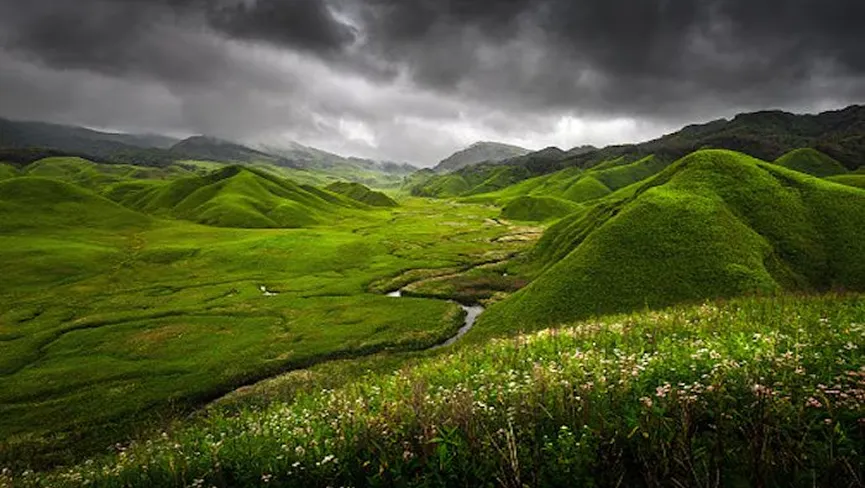
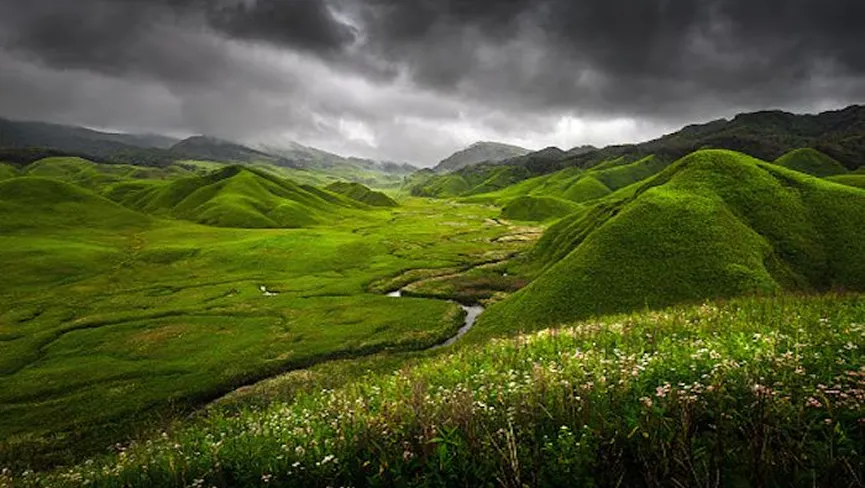
Japfu Peak, located in the southern part of Kohima district, Nagaland, is one of the state’s most iconic trekking destinations, rising to an impressive 3,048 metres above sea level. Situated around 15–20 km from Kohima city, Japfu Peak lies within the lush Dzüko Valley–Japfu mountain range, offering breathtaking panoramic views of Nagaland’s rolling hills and thick evergreen forests. The peak is easily accessible via the village routes of Kigwema (on NH-2) and Viswema, making it a popular spot for trekkers, photographers, and nature lovers. Known for its pristine landscapes and the world’s tallest Rhododendron tree, Japfu Peak provides a serene escape into nature and is best visited between October and April for clear skies and comfortable trekking conditions. With its rich biodiversity and scenic trails, Japfu Peak stands as one of Nagaland’s must-visit adventure destinations.
Khunhyo Waterfall
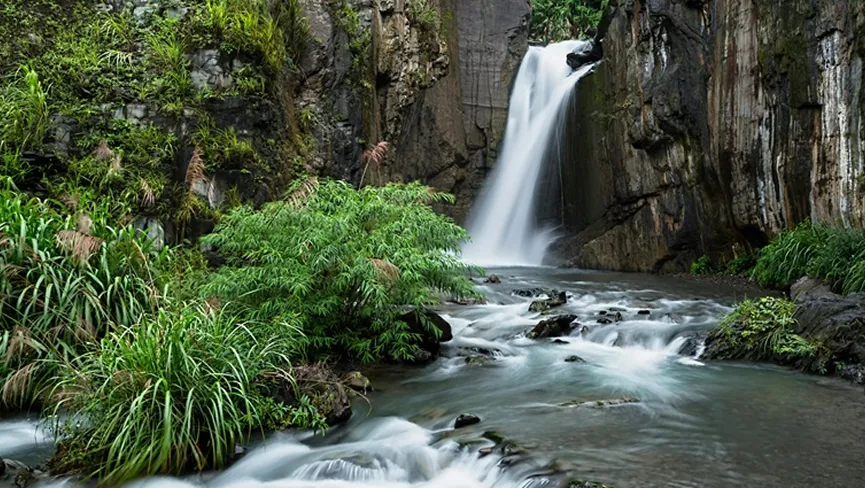
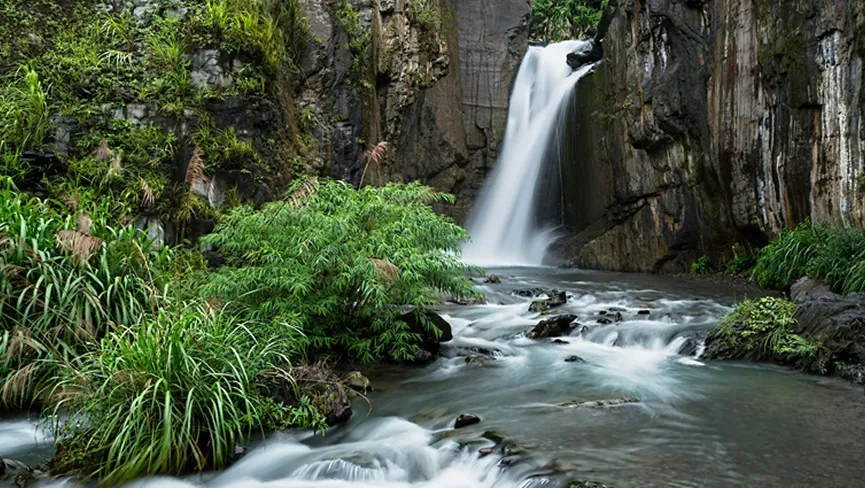
Khunhyo Waterfall, one of the hidden natural gems of Shamator District in Nagaland, is located near Khunhyo Village, about 20–25 km from Shamator town. Surrounded by lush forested hills and untouched natural landscapes, the waterfall cascades down rocky cliffs to create a refreshing pool ideal for photography, nature walks, and peaceful getaways. Travelers can reach Khunhyo Waterfall via local village trails that offer scenic views of the Yimkhiung tribal region. Its remote setting, clean environment, and serene atmosphere make it a perfect destination for offbeat explorers visiting eastern Nagaland. With increasing road connectivity from Tuensang and Shamator, Khunhyo Waterfall is emerging as a must-visit nature attraction in the area.
Hornbill Festival Ground,
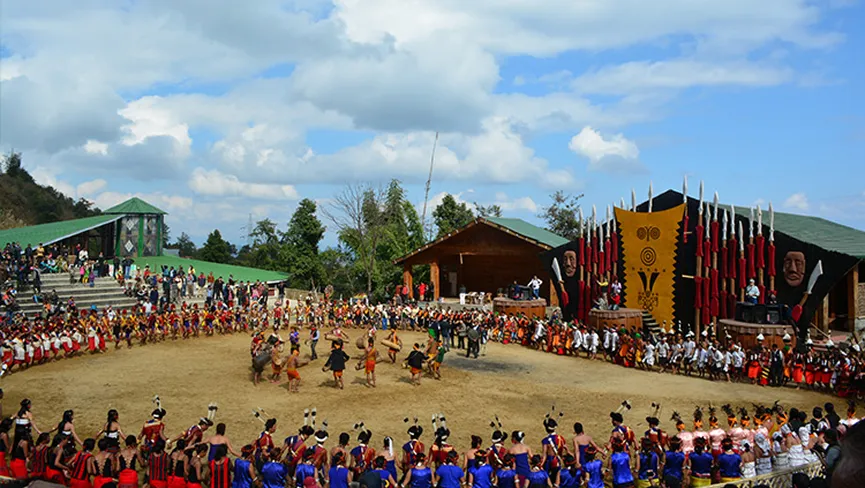
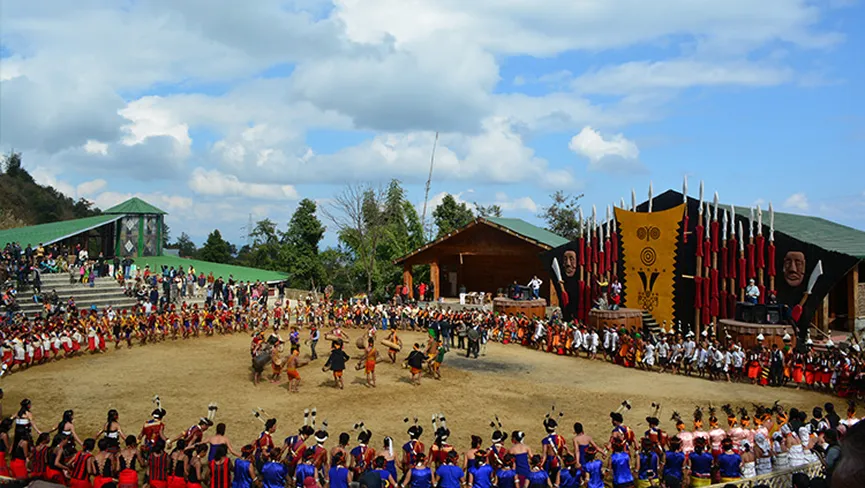
Hornbill Festival Ground, located in Kisama Heritage Village, near Kohima, Nagaland, is the iconic venue for Nagaland’s world-famous Hornbill Festival, celebrated every year in December. Situated just 12 km from Kohima city and accessible via well-connected roads from Dimapur (approx. 70 km), this festival ground is set amidst the scenic hills of Nagaland, offering a spectacular backdrop of tribal culture and natural beauty. Visitors to the Hornbill Festival Ground can witness vibrant Naga tribal dances, traditional music performances, handicraft exhibitions, and indigenous food fairs, making it a must-visit destination for cultural enthusiasts and travelers seeking an authentic Naga experience. With modern facilities for tourists and ample opportunities for photography, this ground has become the cultural heart of Nagaland, attracting both domestic and international visitors.
Experiences to Cherish
Overview
Travel:
The journey begins from Dimapur Railway Station or Airport. For local travel within Nagaland, transportation is arranged using hatchbacks, sedans, SUVs, or similar tourist vehicles, and typically multiple vehicles are used throughout the trip for convenience. Please note that there are no night journeys planned in this itinerary, and all travel is conducted during daytime for safety and comfort.
Stay:
The trip spans a total of 4 nights, with all accommodations arranged on a double or triple sharing basis. If you would like to view pictures of the stays, you can get in touch with our Booking Team During the journey, you will stay in Khonoma for one night in a comfortable homestay, followed by two nights in Kisama, also in a comfortable homestay setting. For the final night, you will experience camping in the scenic Dzukou Valley, which offers a more basic stay. Please note that at Dzukou Valley, common washroom facilities are provided by the Dzukou association.
Trip Basics:
The trek is of moderate difficulty and spans approximately 1.5 days, making it suitable for beginners as long as they have a reasonable level of fitness. During the trek, tents are carried by porters, while trekkers are required to carry their own sleeping bags. The maximum altitude reached is around 9,000 feet above sea level at Dzukou Valley. The climate can range from cold to very cold, depending on the season, so proper warm clothing is essential.
Best Time to Travel to Dzukou:
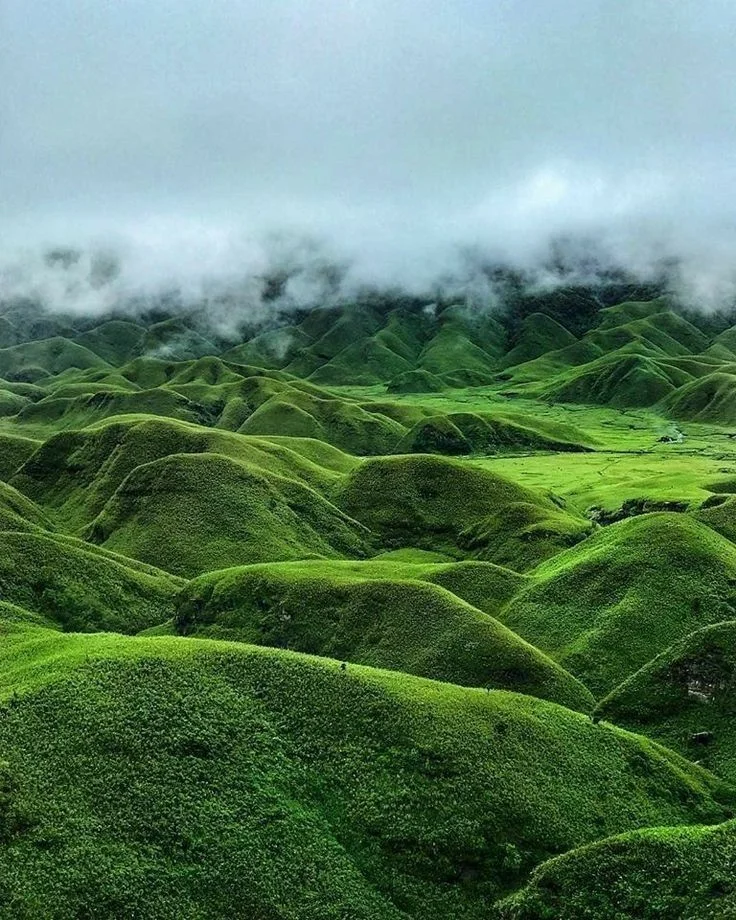
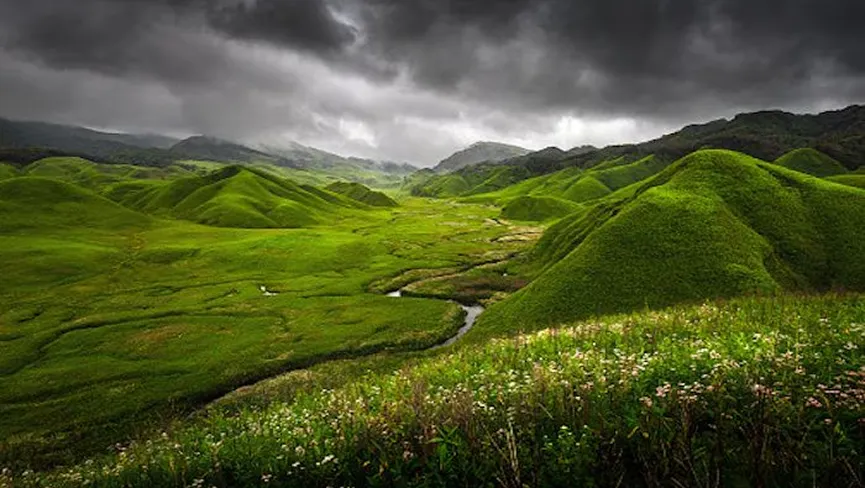
Dzukou Valley is best visited during the monsoon and winter seasons, each offering a unique experience. From June to August, during the monsoon, the valley comes alive with the blooming of the famous Dzukou lilies, transforming the landscape into a lush green carpet of rolling mountain waves. In contrast, the winter months from October to January present a completely different charm, with extremely cold temperatures turning the valley into a frozen wonderland, especially in the early mornings.
Packages for Dzukou Valley & Nagaland
Nagaland with Dzukou Valley Private Trip
₹19,500
View More